 |
| This little baby is losing his habitat. photo found at blogspot.com |
Now why do these statistics about climate change matter? Isn't this a natural process the earth goes through? Simple answer: yes. The Earth does have periods where it heats up and cools down naturally, for example: the ice age. However, humans are affecting this natural process now, messing with the Earth's natural heating and cooling cycles.
So, how do humans affect climate change?
Human activities release greenhouse gases into the atmosphere, and these gases control how natural energy flows through the climate system. The increase in greenhouse gases interferes with the process of the sun providing energy to the Earth, and the Earth releasing energy back into space. So, the Earth has to raise its global temperature to adjust to the "thicker blanket" of greenhouse gases to properly maintain the flow of energy to and from the Earth.
 |
| The use of these affects the Earth more than we think. photo found at freefoto.com |
A greenhouse gas is a gas in the atmosphere that emits and absorbs energy through the thermal infrared range and help regulate the natural energy flow. Greenhouse gases are things like carbon-dioxide (which is released when burning fossil fuels and when forests are burned down) and methane & nitrous oxide (which is released during agricultural activities). Since humans rely so heavily on current agricultural methods to feed people and the burning of fossil fuels to provide energy, a ton of extra greenhouse gas is added daily to atmosphere.
So, why does this matter to humans? How is this going to affect us?
For one, there are food security and agricultural risks to consider. Certain areas will no longer be able to produce the same amount, type, or any crops if the climate changes too much. This increases the already horrible economic strain on countries who can't feed their people, and it puts people in affluent societies at risk of going hungry as well. Furthermore, with rising sea levels, we lose coastal areas of land where people live or visit for recreational purposes. More humans will move inland, meaning less space for people overall, and the low-income nations whose national wealth rely heavily on income provided by tourists will suffer greatly.
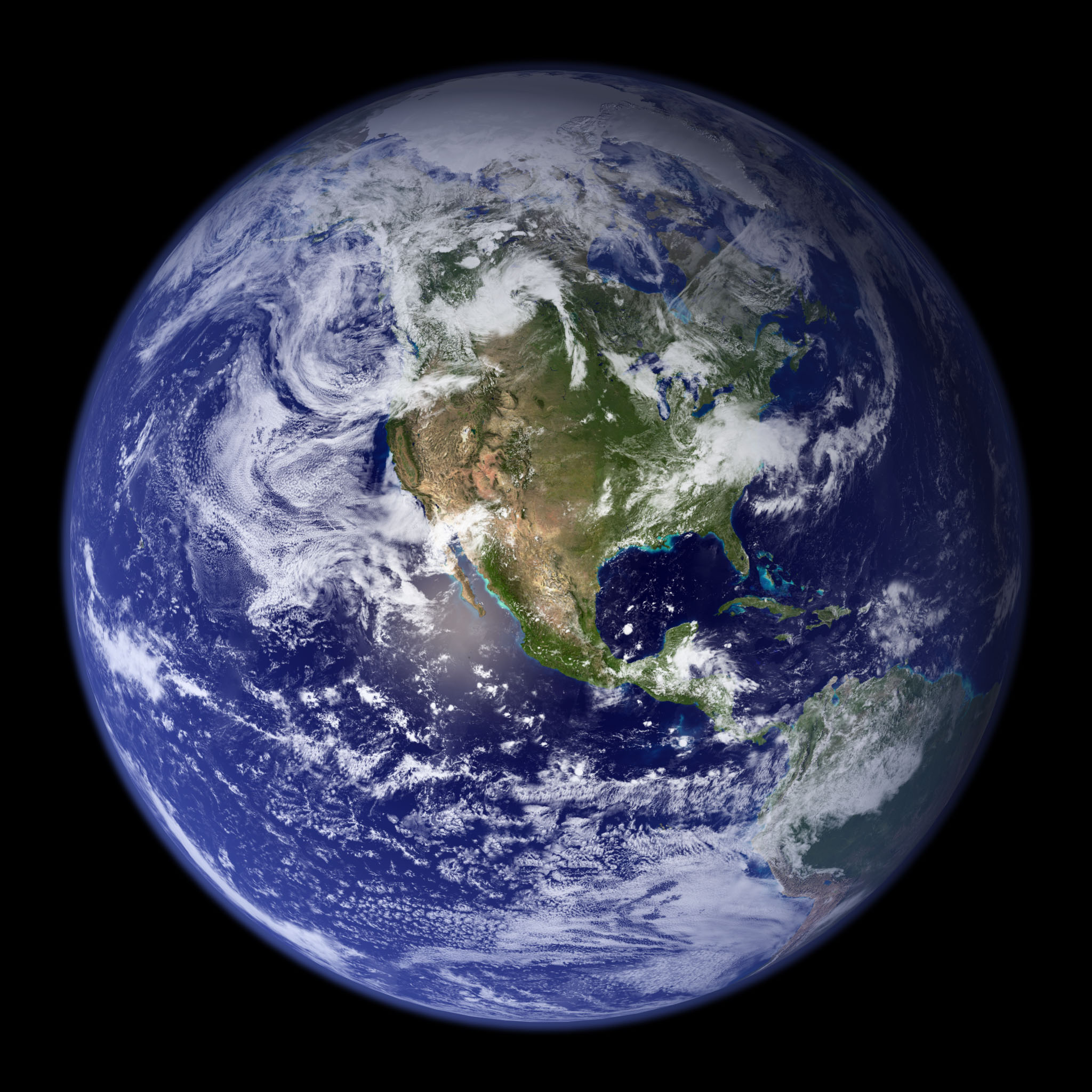 | |
| The Earth warms and cools on its own. As of now, we don't know how much human activity affects this process, says the global warming skeptics. photo found at nasa.gov |
Given what I learned, I believe that should humans continue using fossil fuels with no thought to the environment, the Earth will be a much, much hotter place in 50 years. The farming and agricultural industries we rely so heavily upon will produce much less than what is needed to feed the world, and only the humans who can adapt to the harsher conditions will continue on. Basically, humanity is greenhouse-gasing itself into an earlier cycle of natural selection. Like Charles Darwin wrote, those best suited to living in the environment will survive.

Great job Sam! You filled your entire blog with facts and details in regards to our climate situation. It is great how you incorporated information about green house gases too. I like especially your attention to detail when you choose your pictures for those like me who like visual detail to go with the written. :)
ReplyDeleteNice job Samantha! I thought you did a great job getting all of your facts together. I love the picture of the little bear. PS: I have almost the same title as you, but I promise I didn't read your blog until after I wrote mine :-)
ReplyDelete